Stand in front of a fruit stall for a moment and really look. Strawberries glowing ruby red. Mangoes like late-afternoon sun. The deep, inky blue of a punnet of blueberries that’s almost black until the light catches it. None of that is decoration. Every one of those colours is chemistry you can see - and nature, generous as ever, has colour-coded her gifts so we can read them.
We hear the phrase “eat the rainbow” so often that it’s easy to overlook the wisdom behind it. Beneath the colourful slogan sits something genuinely useful: each colour in the plant world signals a different family of compounds, doing a different job for the plant - and offering something different to us when we eat it. This post is a walk through that rainbow, colour by colour. The science first, always. And alongside it, an older way of seeing colour that I find beautiful and worth holding lightly - the chakra tradition, which has mapped colour onto the body’s energy centres for thousands of years.
What the colours actually are
Plants make pigments for their own reasons. Chlorophyll is the green machinery of photosynthesis - quite literally the molecule that captures sunlight. Carotenoids, the oranges and yellows, act as the plant’s sunscreen, protecting its cells from light damage. Anthocyanins, the reds, blues and purples, are protective pigments the plant makes to defend itself from light and stress - they often deepen as the fruit ripens or weathers.
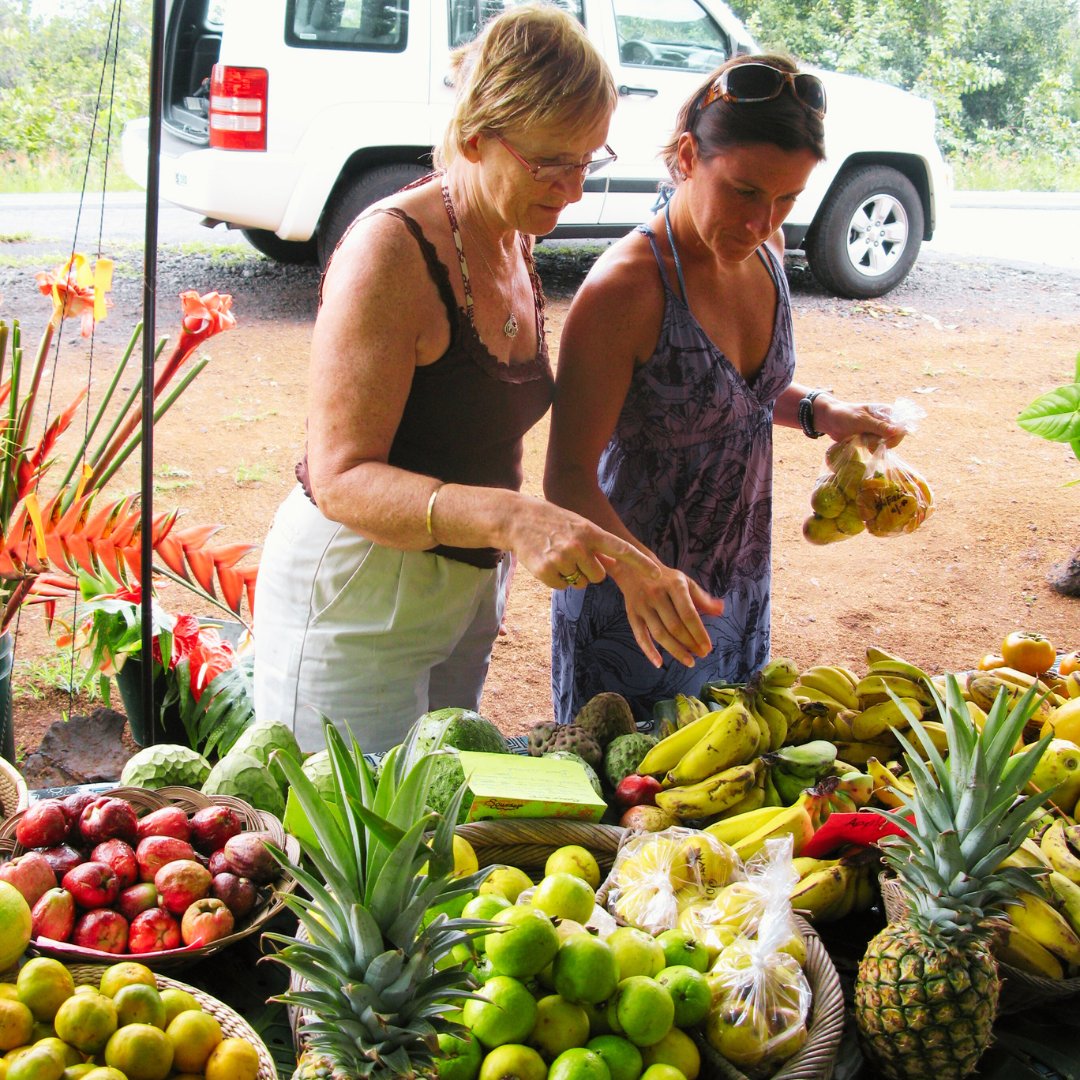
When we eat these pigments, we borrow some of that chemistry. This is why every sensible nutrition body in the world says some version of the same thing: eat a wide variety of colourful fruit and vegetables. Not because any single colour is magic, but because variety of colour means variety of phytonutrients - and no supplement capsule has ever come close to replicating that breadth.
So the rainbow is, first and foremost, a practical shopping strategy. Now let’s add the second layer.
Colour as energy: an older way of seeing
Long before anyone could name a carotenoid, anthocyanin or flavonoid, traditions across the world were attaching meaning to colour and exploring its relationship with human experience. In the yogic tradition, seven energy centres - the chakras - are associated with the colours of the rainbow, from red at the base of the spine to violet at the crown of the head.
The science of colour in food is fascinating in its own right. Alongside that, I find it interesting that many traditions have viewed colour as symbolic of different aspects of health, emotion and wellbeing.
As we journey through the rainbow, I’ll share both perspectives: what we know about the compounds that create these colours in nature, and the chakra associations that have long been linked with them. Whether you embrace one, the other, or simply enjoy the symbolism, perhaps they offer another way of appreciating the remarkable colours nature places on our plates.
Red: the colour of grounding

Strawberries, tomatoes, cherries, red grapes, raspberries, redcurrants, cranberries. The reds bring lycopene - the much-studied carotenoid that gives tomatoes their colour - alongside anthocyanins and vitamin C. Red fruits have long been of interest to researchers studying plant compounds and circulatory function, and they’re among the most deeply pigmented, polyphenol-rich foods in the shop.
In the chakra tradition, red belongs to the root - Muladhara - the centre of safety, security and simply being here. The first colour of the rainbow, the first rung of the ladder. There’s something fitting about that: red fruits are often the first we reach for, the most immediate, the most grounding.
Orange: the colour of warmth

Apricots, mango, papaya, oranges, kumquats, peaches. Orange is the signature of beta-carotene and alpha-carotene, which your body converts to vitamin A - a nutrient that contributes to the maintenance of normal vision and normal skin, and to the normal function of the immune system. That’s not folklore; those are among the best-established nutrient roles we have.
Energetically, orange is the sacral chakra - Svadhisthana - the seat of creativity, emotion and pleasure. And honestly, has any food ever made a better case for pleasure than a properly ripe mango?
Yellow: the colour of brightness

Golden kiwi, lemons, yellow pears, bananas, pineapple, star fruit. More carotenoids here, joined by generous vitamin C - which contributes to normal immune function and, interestingly, to normal psychological function too. There’s a reason yellow fruits read as uplifting; even the colour itself does half the work before you’ve taken a bite.
Yellow sits at the solar plexus - Manipura - the centre of confidence, willpower and what the old texts call the body’s inner sun. I love that this chakra sits right over the digestive organs. The traditions placed the body’s “fire” exactly where we now know food is transformed into energy.
Green: the colour of balance

Green apples, kiwis, green grapes, guava, avocados, limes. Green is chlorophyll - bottled sunlight, if you like, since this is the very pigment that captures the sun’s energy. Green fruits also bring folate, fibre and, in the avocado’s case, beautiful monounsaturated fats. A small chemistry secret: many fruits are green only in youth. As they ripen, the chlorophyll breaks down and reveals the other pigments that were there all along - which is why a banana turns from green to yellow.
Green is the heart chakra - Anahata - love, compassion, healing. And here’s the structural elegance: green sits at the exact centre of the visible spectrum, and the heart sits at the exact centre of the seven chakras, the bridge between the lower, earthier centres and the higher, subtler ones. The traditions and the physics agree: green is the middle. Balance.
Blue: the rarest colour on the plate

Blueberries, blackcurrants, damson plums. True blue is genuinely scarce in food, which is part of why it feels special. The pigment responsible is anthocyanin, and it has a wonderful party trick: the same molecule shifts colour with acidity, reading red in acidic conditions and blue-purple in more alkaline ones. Anthocyanins are among the most actively researched plant compounds in nutrition science.
Blue belongs to the throat chakra - Vishuddha - communication, expression, truth. Make of it what you will that the rarest colour on the plate is paired with the thing most of us find hardest: saying what we actually mean.
Indigo and violet: the colour of depth

Blackberries, elderberries, purple figs, plums, dark grapes. These are the anthocyanins again, at their most concentrated - the deepest pigments in the fruit world. Researchers are actively exploring the relationship between anthocyanin-rich diets and how our brains age; the berry-and-memory studies are some of the most interesting work in nutrition science right now. Watch this space.
There’s a more modern thread woven in here too. In some contemporary energy-healing circles, deeply coloured fruits - dark grapes especially - are associated with what’s sometimes called monatomic gold, a substance its proponents believe supports higher states of awareness, intuition and expanded consciousness. The idea itself is a recent one - it emerged in the 1980s, borrowing the language of the old alchemists - and it sits well outside mainstream science. But it continues something genuinely ancient: the human habit of linking the deepest colours of the rainbow with our search for wisdom, insight and understanding.
In the chakra map, indigo is the third eye - Ajna - insight and intuition, the top of the rainbow proper. The deepest colours for the deepest centre. The fruit world saved its richest pigments for last.
White: beyond the rainbow

Pears, banana flesh, lychee, white nectarines. White looks like the absence of colour, but optically it’s the opposite - white light is every colour of the spectrum together. The pale fruits carry their own quiet chemistry, mainly flavonoids, the largest and most varied family of plant compounds we know.
The traditions saw white the same way the physics does: not a missing colour but all of them integrated. White belongs to the crown - Sahasrara - wholeness, the rainbow complete. Which is a rather lovely way to think about a humble pear.
Brown and black: the earth tones

Dates, dried figs, raisins, blackberries at their darkest, even the unripe banana. These aren’t part of the chakra rainbow - they’re the earth it stands on. The browns and blacks signal tannins and polyphenols, along with concentrated fibre and minerals in the dried fruits. You already know tannins by feel, even if not by name: that dry, puckering sensation from an unripe banana or a strong cup of tea? That’s tannin binding to the proteins in your saliva. Your mouth is running a chemistry experiment every time.
The earth tones close the circle. A rainbow needs ground to arc over.
The rainbow through your day
Here’s where the two lenses braid together into something you can actually practise. The chakra tradition runs red to violet, base to crown, dense to subtle - and you can eat your way up that ladder across the day.

Some traditions suggest that we can work with colour not only across the plate, but throughout the day itself.
The morning naturally lends itself to the warmer colours of the rainbow - reds, oranges and golds. Berries, citrus fruits and other vibrant foods can feel uplifting and energising as we begin the day.
As the sun reaches its highest point, we move into the middle colours of the spectrum - yellows, greens and blues. The colours often associated with balance, growth and harmony.
Then, as evening arrives and the pace of the day begins to soften, we find ourselves drawn towards the deeper hues of indigo and violet. Dark berries, plums, figs and grapes seem somehow suited to those quieter hours.
Whether there is anything more to this than symbolism is for each person to decide. I simply find it an interesting way of bringing a little more awareness to the colours we choose and the rhythms that already exist within nature, similar to how we may choose to work with different energies across the lunar cycle and seasons.
After all, just as nature moves through cycles and transitions rather than remaining fixed in one state, perhaps our plates can reflect that too.
A gentle practice for this week
Don’t overhaul anything. Just look. At one meal each day this week, count the colours on your plate - that’s the entire practice. If you track your meals in the app, your photo log is already doing this for you; scroll back through a week of photos and your palette is right there, honest as anything.
Then sit for a moment with these:
- Which colours appear on your plate again and again - and which are simply never there?
- When you picture each colour’s fruit, which one makes your mouth water today? Follow that with curiosity.
- What would it take to add one missing colour this week - not every day, just once?
The rainbow isn’t a rule. It’s an invitation - from nature, who took the trouble to colour-code everything, and from your own body, which has been reading those colours far longer than science has had names for them.